
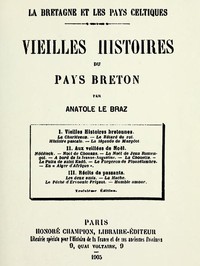
Vieilles Histoires du Pays Breton by Anatole Le Braz
Anatole Le Braz didn't invent these stories; he collected them. In the late 1800s, he traveled through Brittany, listening to fishermen, farmers, and villagers. He wrote down the tales they told by the fire, the legends they used to explain a strange noise in the night or a forgotten standing stone in a field. This book is that record.
The Story
There isn't one single plot. Think of it as a series of snapshots from another world. One story might follow a fisherman who sees the ghostly ship of drowned sailors, the Bag-Noz, forever sailing just out of reach. Another tells of the Ankou, a skeletal figure who collects souls, not as a villain, but as a solemn servant of death. You'll meet saints who perform quiet miracles and everyday people who bargain with spirits out of desperation or love. The common thread is Brittany itself—the foggy moors, the treacherous coast, and the ancient forests that hold these memories.
Why You Should Read It
What grabbed me wasn't just the spooky stuff, but the deep humanity in these pages. These aren't just monster stories. They're about grief, guilt, community, and the struggle to survive in a harsh land. The supernatural is just part of the weather here. Reading Le Braz feels like being given a key to understanding not just myths, but the hearts of the people who carried them. The writing has this quiet, respectful tone—he's not sensationalizing, he's preserving. You get a real sense of loss, knowing these oral traditions were fading even as he wrote them down.
Final Verdict
This is a perfect read for a gloomy afternoon. It's for anyone who loves folklore, not as a dry academic subject, but as a living, breathing part of culture. If you enjoy the eerie feeling of authors like M.R. James or the regional authenticity of someone like Flannery O'Connor, you'll find a kindred spirit in Le Braz. It's also a fantastic pick for travelers—reading this before a trip to Brittany would make every landscape ten times more interesting. Just maybe don't read it right before a walk along a lonely beach at dusk.
This book is widely considered to be in the public domain. Thank you for supporting open literature.
Charles Torres
2 years agoAfter finishing this book, the depth of research presented here is truly commendable. I learned so much from this.
John Miller
1 year agoTo be perfectly clear, the flow of the text seems very fluid. Worth every second.
Steven Moore
6 months agoThe fonts used are very comfortable for long reading sessions.




Lisa Hernandez
8 months agoAmazing book.