C
Cycloscope
Guest
- Thread Author
- #1
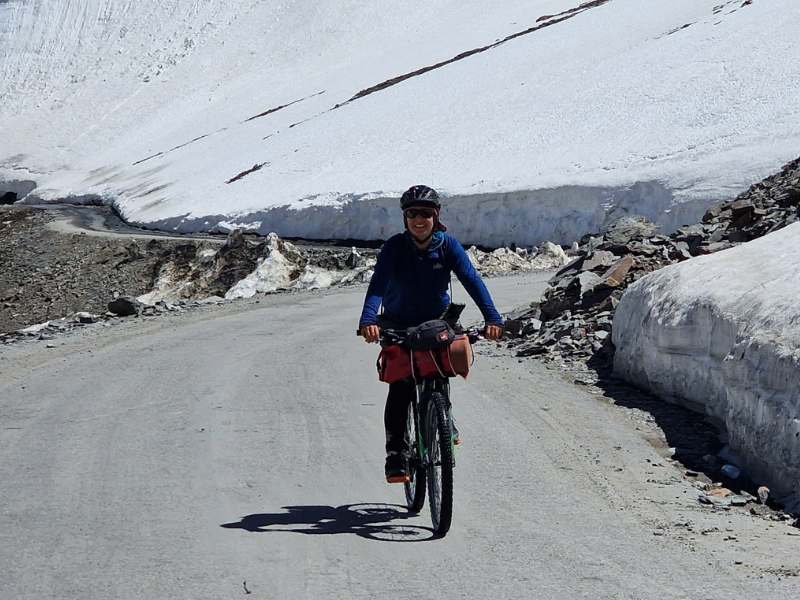
The best winter cycling gear for cold weather riding, including winter jackets, thermal base layers, bib tights, gloves, shoe covers and bike lights.
Winter doesn’t have to mean putting the bike away. With the right cold weather cycling gear, riding in temperatures close to freezing can actually be more comfortable than riding through summer heat.
The trick is not simply buying the warmest clothing you can find. Good winter cycling gear needs to keep you warm while allowing sweat and excess heat to escape. A breathable layering system is much more useful than one enormous insulated jacket.
After looking at the current 2026 winter cycling gear market and recent independent testing, these are the six things I’d prioritize.
1. A Good Winter Cycling Jacket

This is the most important piece of winter cycling clothing. Your jacket needs to block wind, provide enough insulation for your usual temperatures, and still breathe when you’re climbing.
For most riders, I prefer a thermal softshell over a fully waterproof jacket for everyday winter riding. You get considerably better breathability, while a water-resistant outer fabric deals with drizzle and road spray.
Best choice: Assos Equipe R Habu Winter Jacket S11
The Assos Equipe R Habu Winter Jacket S11 is one of the strongest high-end choices for serious winter riding. Cyclingnews rated it its best overall winter cycling jacket in its 2026 testing, praising its fit, warmth, breathability, and ability to handle temperatures down to around -6°C on faster rides.
Why I like this type of jacket:
- Excellent wind protection
- Highly water-resistant
- Breathable enough for harder riding
- Close cycling-specific fit
- Works well with a base layer underneath
- Can be combined with a waterproof shell in genuinely bad weather
If you’re looking for something cheaper, the Pearl Izumi PRO Winter Jacket is a particularly interesting alternative at around $200. Men’s PRO Winter Jacket
The important thing is not to buy a jacket that’s simply very warm. If you sweat heavily inside it, you’ll eventually become cold.
During our cycling journey in the Himalayas, we used the Sigr Cycling Jackets. You can find our review in this article: The 9 Best MTB Winter Jackets – Waterproof, Softshell, Windbreakers.
2. A Proper Thermal Base Layer

The base layer is often overlooked, but it may be the most important part of your winter layering system.
Its job is to move sweat away from your skin while trapping a layer of warm air. Avoid cotton for winter cycling: once it becomes damp, it stays wet against your skin and can make you surprisingly cold.
A good long-sleeve thermal base layer should sit close to the body without restricting movement.
Best choice: Assos Winter LS Skin Layer
Cyclingnews currently rates the Assos Winter LS Skin Layer as its best overall winter cycling base layer. It is designed specifically for cold-weather cycling and combines warmth with effective moisture management.
For a more general-purpose option, the Smartwool Classic Thermal Merino is an excellent choice if you also want something you can use for hiking, travel, and other outdoor activities. Men’s Classic Thermal Merino Base Layer Crew
For bikepacking and cycle touring, I’d actually lean toward merino or a merino/synthetic blend because it is much nicer to live in for several days than a purely synthetic racing base layer.
More in-depth articles:
3. Thermal Bib Tights
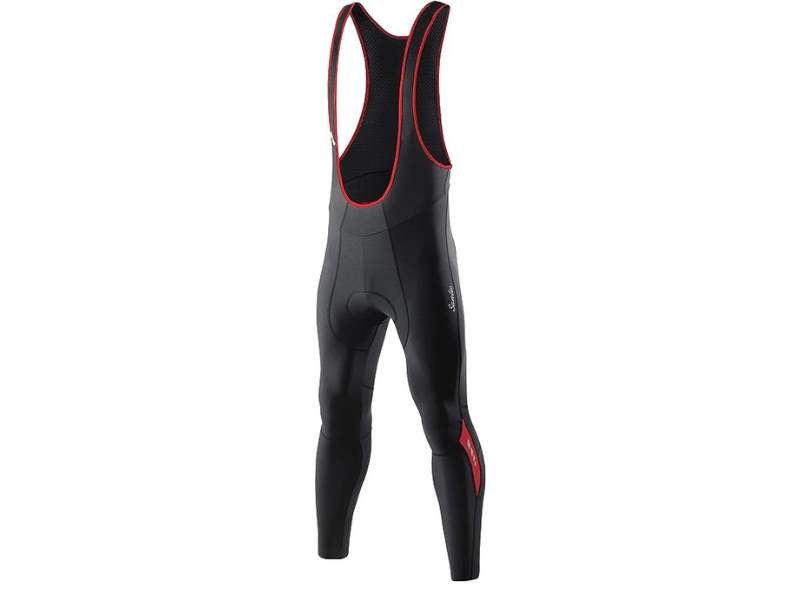
You can have the best winter jacket in the world and still freeze if you’re riding around in summer bib shorts.
Your legs generate plenty of heat while pedaling, but they’re also exposed continuously to cold air and road spray. Keeping your thighs and knees warm makes a surprisingly big difference on long winter rides.
Best choice: Velocio Thermal Utility Bib Tights
For serious cold-weather riding, the Velocio Thermal Utility Bib Tight is one of the best choices. Cycling Weekly selected it as its best men’s winter bib tight for 2026, highlighting the luxurious thermal fabric, water-repellent coating, cargo pockets and reflective detailing.
If you want something more affordable, the GOREWEAR C5 Thermo Bib Tights+ are worth considering.GOREWEAR C5 Thermo Bib Tights+
For genuinely cold conditions, I’d choose thermal bib tights over ordinary bib shorts with leg warmers. The latter are more versatile, but a good pair of winter tights is simpler and gives you better protection from wind and spray.
Our full buying guide: Winter Cycling Pants: 7 Best Bib Tights for Cold Weather Biking
4. Serious Winter Gloves
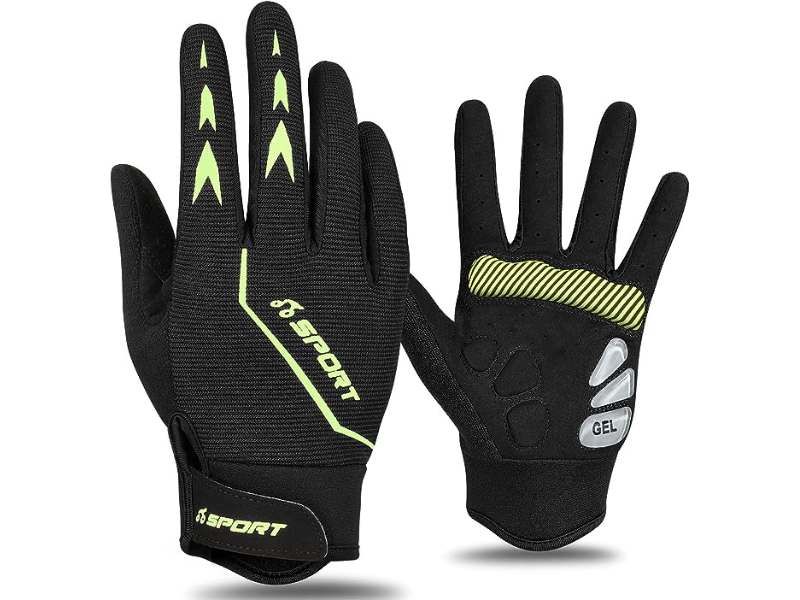
Hands are one of the first places you’ll notice inadequate winter clothing.
The problem is that gloves have to perform two jobs that conflict with each other: they need to be warm enough to protect your fingers but thin and flexible enough to operate your brakes and gears.
For temperatures around freezing, I wouldn’t use ordinary cycling gloves with a second pair underneath. A proper winter cycling glove is much better.
Best choice: GOREWEAR Gore-Tex Insulated Trigger Gloves
Cyclingnews selected the GOREWEAR Gore-Tex Insulated Trigger as its best overall winter cycling glove in its 2026 testing. The glove is designed for serious cold-weather riding, with substantially more insulation than lighter winter gloves.
For extremely cold riding, another option is the Assos Ultraz Winter Gloves P1.Assos Ultraz Winter Gloves P1.
One thing I’d emphasize here: don’t automatically buy the thickest gloves available. If you’re doing hard climbs or riding in temperatures around 5–10°C, a massive deep-winter glove can make your hands sweat. Match the glove to the conditions.
5. Warm Socks + Waterproof Shoe Covers

Cold feet can ruin an otherwise comfortable winter ride.
You don’t necessarily need dedicated winter cycling shoes. For most riders, a good pair of thermal socks combined with neoprene shoe covers is a much more economical solution.
The shoe covers stop cold wind and road spray from reaching your feet while adding another insulating layer around your cycling shoes.
Best choice: Castelli Diluvio Pro Shoe Covers
The Castelli Diluvio Pro uses thick 4 mm neoprene and is designed specifically for cold and wet winter riding.Castelli Diluvio Pro Shoecover
For milder conditions, the thinner Diluvio UL 2 is a better choice.
The advantage of shoe covers is that you can remove them when spring arrives rather than having an expensive pair of winter-specific cycling shoes sitting in the cupboard for half the year.
Our full buying guides:
- Best Cycling Socks for Quality and Performance [2026 Top Models]
- The 9 Best Cycling Shoe Covers: Waterproof + Thermal for Road, MTB and Bikepacking
6. Bike Lights

This one isn’t technically about keeping you warm, but I’d consider it essential winter cycling gear anyway.
Winter means shorter days, low sun, gloomy weather and more riding in darkness. Even if you normally ride during daylight, it’s worth carrying lights because a ride that starts at 2pm can easily finish in fading light.
The current 2026 testing from Cycling Weekly emphasizes the importance of quality front and rear lights during the shorter winter days. Its testing covered more than 30 models, with the Ravemen K1400 among the top front-light choices.
Best choice: Ravemen LS20 Light Set
For a practical front-and-rear setup, the Ravemen LS20 is a good option.Ravemen LS20 Light Set.
You don’t necessarily need an enormous 2,000-lumen headlight for commuting or riding on illuminated roads. What matters is having enough light to see the road and, just as importantly, making yourself visible to drivers.
The 6 Pieces of Winter Cycling Gear I’d Buy First
| Gear | My pick | Why |
|---|---|---|
| Winter jacket | Assos Equipe R Habu Winter S11 | Excellent warmth/breathability balance |
| Base layer | Assos Winter LS Skin Layer | Warm, close fitting and moisture managing |
| Bib tights | Velocio Thermal Utility | Excellent deep-winter protection |
| Gloves | GOREWEAR Gore-Tex Insulated Trigger | Warm without completely sacrificing dexterity |
| Shoe covers | Castelli Diluvio Pro | Excellent cold/wet protection |
| Bike lights | Ravemen LS20 | Good front/rear visibility for dark winter rides |
How to Layer Your Winter Cycling Gear
You don’t necessarily need all six pieces every time you ride.
At around 10°C / 50°F, a thermal base layer, lighter jacket and regular cycling tights may be enough.
At around 5°C / 41°F, I’d add the winter jacket, thermal bib tights, gloves and shoe covers.
Below 0°C / 32°F, layering becomes much more important. A thermal base layer plus an insulating mid-layer under the winter jacket can be more effective than simply buying an extremely thick jacket. Recent winter testing also emphasizes layering as the key to staying warm without overheating.
And if rain is likely, add a proper waterproof shell rather than expecting a thermal winter jacket to be completely waterproof.
The real secret to cold-weather cycling gear
The best winter cycling gear isn’t necessarily the warmest gear. It’s the gear that lets you regulate your temperature.
I’d much rather have:
wicking base layer → insulating layer → breathable winter jacket → waterproof shell when necessary
than one giant jacket that leaves me sweating on every climb.
That’s what makes a good winter setup useful across a much wider range of temperatures — and why spending money on a good base layer, jacket and gloves is usually more worthwhile than simply buying the thickest clothing you can find.